Key Takeaways
- In the refill vs new cartridge debate, refilling almost always costs less per print, but it carries more risk of mess, leaks, and uneven quality.
- Buying a new cartridge costs more up front yet gives you reliable results, a clean install, and fewer surprises.
- Refill kits and refill services make the most sense for heavy printers who care more about cost than perfect color.
- New cartridges suit anyone who prints photos, important documents, or simply wants the least hassle.
- Do a quick cost-per-page check and be honest about your patience before you decide which route saves you more.
Standing over an empty cartridge with a refill kit in one hand and a fresh box in the other is a familiar moment. One promises to save you real money; the other promises no drama. I have gone both ways over the years, refilling cartridges at my kitchen table and buying new ones when a deadline loomed, and I have learned there is no single right answer. The best choice depends on how you print and how much fuss you are willing to tolerate. By the end of this guide you will know exactly how the refill vs new cartridge choice breaks down, what each option really costs, and which one fits your printer and your patience.
Refill vs New Cartridge: The Short Answer
If you only care about the lowest possible cost per page, refilling usually wins. A refill kit or refill service can cost a fraction of a brand-new cartridge, because you are only paying for ink or toner, not the plastic shell and chip. That gap is real and it adds up fast for heavy printers.
If you care about consistent quality and zero hassle, buying new wins. A fresh cartridge drops in, works the first time, and leaves your hands clean. For most light users, the few dollars saved by refilling are not worth a stained desk or a printer that suddenly refuses to recognize the cartridge. The rest of this guide helps you find which side you land on.
What Refilling Actually Involves
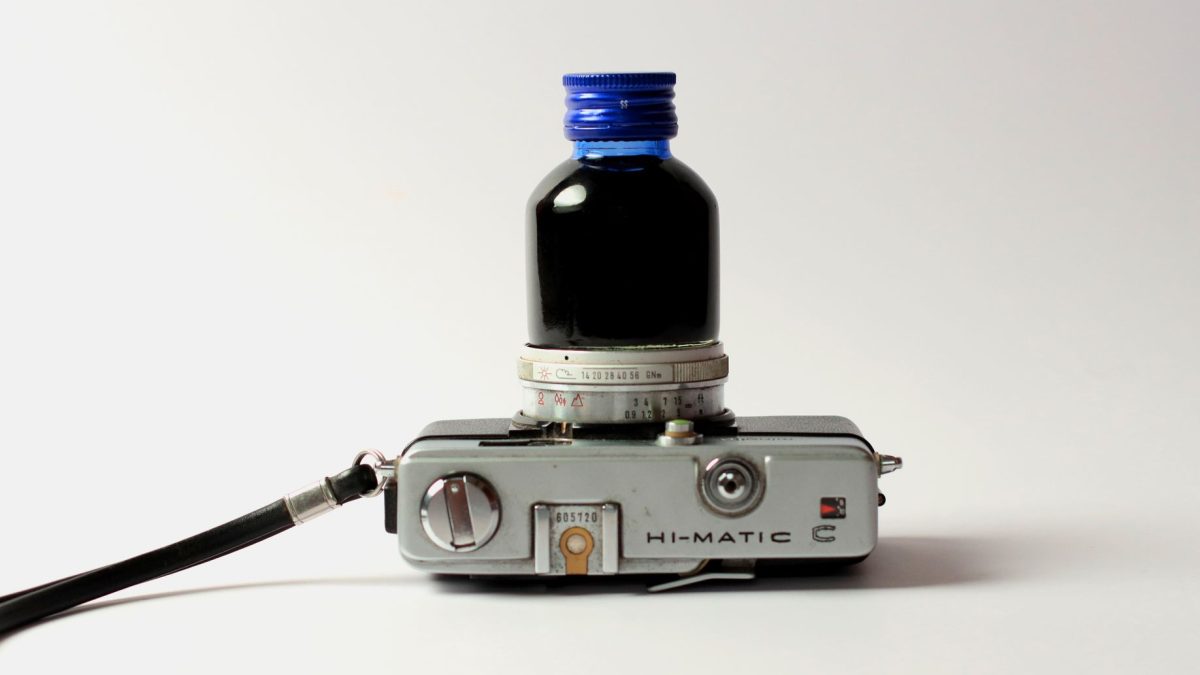
Refilling means putting new ink or toner into the cartridge you already own instead of throwing it away. For inkjets, that usually means a small bottle of ink and a syringe you use to inject it through a fill hole. For laser printers, it means opening the toner hopper and pouring in fresh powder, which is messier and needs more care.
You can do it yourself with a kit or hand the cartridge to a refill shop that does it for you. Either way, the cartridge is reused, which keeps plastic out of the landfill. If you want the full background on how ink and powder differ before you decide, our friendly explainer on the difference between ink and toner is a quick read.
The catch is that cartridges are not designed to be refilled forever. Print heads wear out, sponges degrade, and the chip that tracks ink levels may not reset. That is why refilling is a money-saver with an asterisk rather than a free lunch.
What Buying New Gives You
A new cartridge is the simplest path. You unbox it, peel the tape, click it in, and print. The ink is fresh, the print head (on cartridges that include one) is new, and the chip reports levels correctly, so your printer stops nagging you about low ink.
You also get predictable quality. Colors match what you expect, blacks stay crisp, and you are far less likely to see streaks or clogs. If you need a hand with the swap, our step-by-step walkthrough on how to replace an ink cartridge makes it painless. The trade-off is simply price: you pay for that convenience and reliability every time.
Tip: Cost per page is the number that decides the refill vs new cartridge question, not the sticker price. Divide what you pay by the pages you get, and compare that figure across both options before you commit.
The Cost Difference, Side by Side
Here is how the two options generally compare on the things that hit your wallet and your patience. Use it as a gut check rather than an exact quote, since prices vary by brand and printer.
| Factor | Refilling | Buying New |
|---|---|---|
| Up-front cost | Low (ink or toner only) | Higher (full cartridge) |
| Cost per page | Usually much lower | Higher |
| Setup effort | Fiddly, can be messy | Quick and clean |
| Quality consistency | Varies, may fade or streak | Reliable |
| Risk of leaks or errors | Higher | Low |
| Environmental impact | Less waste | More plastic used |
| Best for | Heavy, cost-focused printers | Light users and photo printing |
When I tracked this on my own home inkjet, a bottle of refill ink filled a black cartridge three times for less than the price of one new cartridge. That is a genuine saving. But one of those three fills streaked badly and I had to run two cleaning cycles to fix it, which ate into the savings. That messy middle is the honest reality of refilling.
How to Refill a Cartridge Without the Mess
If you decide refilling is worth trying, a careful routine makes all the difference between a clean save and a stained desk. This is the process I follow, and it has cut my failures down to almost none.
- Cover your work area. Lay down newspaper or paper towels and wear gloves, because ink stains skin and surfaces quickly.
- Match the ink to your cartridge. Use a kit made for your cartridge family so the ink type and fill hole line up correctly.
- Fill slowly. Inject or pour a little at a time and stop before it overflows; sponges hold less than you think.
- Wipe and rest. Clean the print head or nozzle area, then let the cartridge sit upright for a few minutes so the ink settles.
- Test before real printing. Run a nozzle check or test page first, so you catch streaks before they land on something important.
If a refilled cartridge prints faint or patchy, do not toss it right away. Our guide on how to revive a dried-out ink cartridge often brings a stubborn one back to life with a gentle soak or a couple of cleaning cycles.
Warning: Some printers use a chip that counts ink and may show a low-ink error or refuse a refilled cartridge until it is reset. Check whether your model plays nicely with refills before you buy a kit, or you may save nothing at all.
When Refilling Is the Smart Choice
Refilling shines when you print a lot and can shrug off the occasional imperfect page. Students printing thick study packs, small offices churning out internal drafts, and anyone who prints mostly plain black text are all good candidates. The savings pile up precisely because you print so much.
It also fits people who like a bit of hands-on tinkering and do not mind a slower routine. If a five-minute chore to save several dollars sounds fair to you, refilling will likely pay off. Pair it with the broader habits in our roundup of the best ways to cut printer running costs and the total savings grow further.
When Buying New Is Worth It
Buy new when the print matters or your time is tight. Photos, resumes, client documents, and anything you cannot reprint deserve the reliability of a fresh cartridge. The small extra cost is cheap insurance against a smudged page at the wrong moment.
New is also the right call for light users. If a cartridge lasts you months, the handful of dollars you might save by refilling is not worth the mess or the risk of a clogged head. In that case, choosing the right cartridge in the first place matters more; our guide to high-yield cartridges worth buying can help you get more pages per purchase without ever touching a syringe.
A Third Option: Third-Party Cartridges
There is a middle path between refilling and buying brand-name new: third-party or compatible cartridges. These are new units made by other companies, often at a lower price than the original brand. They give you the drop-in convenience of new with some of the savings of refilling.
Quality varies more than with original cartridges, so stick to sellers with strong reviews and easy returns. Our comparison of genuine versus third-party cartridges lays out the trade-offs so you can decide with clear eyes. For many people, a reputable compatible cartridge is the sweet spot that ends the refill vs new cartridge debate entirely.
Frequently Asked Questions
Is refilling a cartridge really cheaper than buying new?
Usually yes, because you only pay for the ink or toner, not the plastic shell and chip. A single refill kit can fill a cartridge several times for less than one new one. The savings are largest for heavy printers, but messy fills or failed cartridges can eat into that gap.
Does refilling void my printer warranty?
Refilling itself rarely voids the whole printer warranty, but if a refilled cartridge causes damage, that specific repair may not be covered. Makers cannot deny coverage just because you used non-original ink, though proving the cause of a fault can get tricky. Check your printer’s warranty terms before you start refilling.
Will refilled cartridges hurt print quality?
They can. A careful refill with the right ink often prints fine, but results are less consistent than a new cartridge. You may see faint pages, streaks, or slightly off colors, especially after several refills as the print head wears. Run a test page first so any issue shows up before an important document does.
How many times can I refill one cartridge?
Most inkjet cartridges handle three to five refills before quality drops off, as the internal sponge and print head wear out. Laser toner units often last a few refills too. Watch for streaks, fading, or leaks as your signal to stop refilling that cartridge and buy a new one.
Why does my printer reject a refilled cartridge?
Many cartridges carry a chip that tracks ink levels. After a refill, the chip may still read empty or the printer may not recognize the reused unit, triggering an error. Some models let you reset or bypass this, while others resist refills entirely. Confirm your printer’s behavior before buying a refill kit.
So, Which One Saves You More?
The honest answer is that refilling saves the most money on paper, but buying new saves the most hassle, and the right pick depends on which of those you value more. Print a lot of everyday pages and enjoy a little tinkering? Refilling likely wins. Print occasionally or care about flawless results? A new or reputable compatible cartridge is worth every cent. Run the quick cost-per-page check, be honest about your patience, and you will know your answer. You can see how we test and evaluate supplies on our about us page, and for a neutral primer on how cartridges are built, the Wikipedia article on ink cartridges is a solid read. Whenever you are ready to learn more at your own pace, our complete guide to printer ink and toner is there with calm, practical advice and no pressure to buy anything.