

Key Takeaways
- Ink is a liquid used by inkjet printers; toner is a fine powder used by laser printers. They are not interchangeable.
- Inkjets shine for photos and color at a low upfront price; lasers win on speed, crisp text, and cost per page for high volume.
- Ink cartridges can dry out if a printer sits unused, while toner has a much longer shelf life and rarely dries.
- Match the supply to how you actually print: light, colorful, occasional use favors ink; heavy black-and-white use favors toner.
- Always check which type your printer takes before buying, because the wrong supply simply will not fit or work.
You stand in the store aisle, or scroll a shopping page, and one question stops you cold: does my printer need ink or toner? It is easy to mix them up, and buying the wrong one is a frustrating, sometimes costly mistake. I have helped plenty of friends and small offices sort this out, usually right after they have unboxed a new printer or watched a “replace supply” message pop up. The good news is that the difference is simple once someone explains it plainly. By the end of this guide, you will know exactly what ink and toner are, how they differ, which printer uses which, and how to pick the right supply for the way you actually print.
What Ink and Toner Actually Are
Ink is a liquid. It lives in a cartridge and is sprayed onto the paper in tiny droplets through microscopic nozzles. Printers that use ink are called inkjet printers, and they are the most common type in homes.
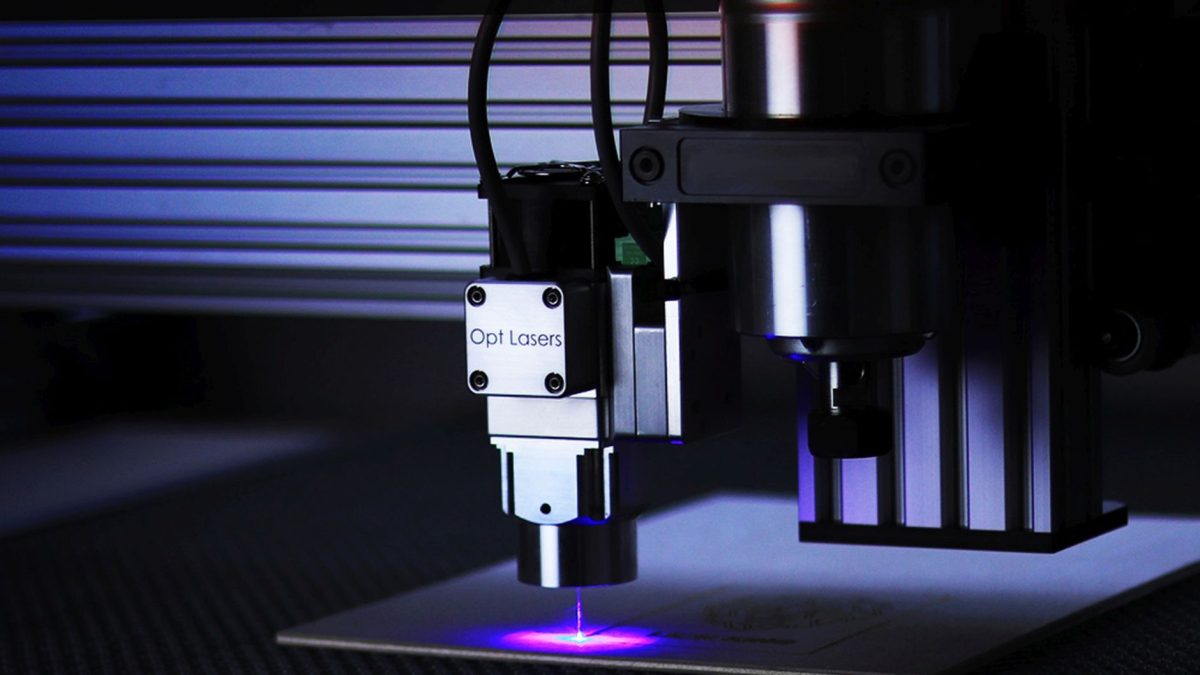
Toner is not a liquid at all. It is a dry, powdery mix of very fine plastic particles and pigment. Printers that use toner are called laser printers. Instead of spraying, a laser printer uses static electricity to place the powder on the page, then melts it into the paper with heat.
That single fact, liquid versus powder, drives almost every other difference between the two. It explains why one is better for glossy photos and the other for stacks of text, why one dries out and the other does not, and why you can never pour one into a printer built for the other.
How Each One Puts Words on the Page
How an inkjet works
An inkjet printer has a print head covered in hundreds of tiny nozzles. As the paper feeds through, the head sweeps across it and fires precise droplets of liquid ink exactly where they are needed. The droplets soak into the paper and dry in seconds.
Because ink blends smoothly, inkjets are excellent at soft color gradients, which is why they are the go-to choice for printing photos at home.
How a laser works
A laser printer works more like a tiny photocopier. A laser beam draws your page as an invisible pattern of electric charge on a rotating drum. The charged areas attract toner powder, the drum rolls that powder onto the paper, and a hot roller called the fuser melts it into place.
The result is razor-sharp text that never smudges and never needs time to dry. That crisp, instant finish is the laser’s signature strength.
Ink vs Toner at a Glance
Here is the side-by-side view I sketch out whenever someone asks me to help choose a printer. Notice that neither one is simply “better.” Each wins at different jobs.
| Feature | Ink (Inkjet) | Toner (Laser) |
|---|---|---|
| Form | Liquid in a cartridge | Fine dry powder |
| Best for | Photos and rich color | Sharp text and high volume |
| Print speed | Slower | Faster |
| Printer price | Usually lower upfront | Usually higher upfront |
| Supply price | Cheaper per cartridge | Pricier per cartridge |
| Cost per page | Higher, especially in color | Lower for black text |
| Pages per supply | Fewer | Many more |
| Drying out | Can clog if unused | Rarely dries out |
| Shelf life | Shorter | Much longer |
If you want the full picture on supplies, our complete guide to printer ink and toner ties all of these threads together in one place.
Cost: The Part That Surprises People
The confusing thing about cost is that ink looks cheaper and laser looks expensive, but that flips once you print a lot. An inkjet cartridge costs less to buy, yet it prints far fewer pages before it runs dry.
A toner cartridge costs more upfront, but a single one can print thousands of black-and-white pages. Spread over all those pages, the cost per page usually lands well below ink, which is why offices lean toward laser.
To picture it, think of buying drinks. Ink is like small bottles that are cheap each time but add up fast. Toner is like a big value pack: more money at the register, less per serving. If you print heavily, our roundup of high-yield cartridges worth buying shows how to push the cost per page even lower.
Tip: When I ran a small home office, I kept both machines: a cheap inkjet for the occasional color photo or school project, and a mono laser for the daily stack of invoices and letters. Routing bulk text to the laser and saving the inkjet for color cut my supply spending noticeably over a year, because I stopped burning pricey color ink on plain documents.
Drying Out, Shelf Life, and Everyday Habits
Because ink is liquid, it can dry inside the nozzles when a printer sits idle for weeks. That leads to clogs, faded output, and the dreaded cleaning cycles that waste ink. If your inkjet ever does dry up, our walkthrough on how to revive a dried-out ink cartridge can often save it.
Toner has no such problem. Powder does not evaporate, so a laser printer can sit unused for months and print perfectly the moment you need it. Sealed toner cartridges also store for years, while spare ink cartridges are best used well before their printed date.
This is the deciding factor for a lot of people. If your printer only wakes up a few times a month, an inkjet may frustrate you with clogs, and good storage habits matter; see how to store cartridges so they do not dry out. If you print in steady, frequent bursts, drying is far less of a worry either way.

Which One Is Right for You?
You do not need to guess. Walk through these questions in order, and the answer usually reveals itself by the second or third one.
- Do you mostly print photos or colorful pages? If yes, lean toward an inkjet.
- Do you mostly print black text, like documents and forms? If yes, lean toward a laser.
- Is your volume high, say hundreds of pages a month? A laser’s low cost per page pays off.
- Do you print rarely, only now and then? A laser avoids dried-out ink, but a cheap inkjet is fine if you print a little color.
- Is a low upfront price your top concern? An inkjet usually costs less to buy on day one.
Most homes land on an inkjet for its low price and color flexibility. Most busy offices land on a laser for speed and cheap text. Plenty of people, like me, simply keep one of each. Whichever way you go, run through our ink and toner buying checklist before you pay, so the supply matches your exact model.
Warning: Never try to put ink in a laser printer or toner in an inkjet. They are built on completely different technology, and the cartridges are shaped so they will not even fit. Forcing the wrong supply can damage the machine and void your warranty. Always confirm whether your printer is an inkjet or a laser before you buy anything.
Genuine, Refilled, or Third-Party?
Once you know whether you need ink or toner, the next choice is where to buy it. Genuine supplies from the printer maker are the safest bet for consistent results, but they cost the most. Third-party and refilled options can save money, with a bit more risk of quality or fit issues.
This trade-off applies to both ink and toner. If you are weighing the options, our comparison of genuine vs third-party cartridges lays out the pros and cons, and refill vs buy new covers which route actually saves more over time.
Whatever you choose, buy the version that matches your printer’s exact model number. That number is printed on the machine and on the old cartridge, and it is the single most reliable way to avoid a mismatch. You can read how we test and vet supplies on our editorial policy page. For the curious, the basics of how toner powder works are a genuinely interesting read.
Frequently Asked Questions
Is ink or toner cheaper overall?
It depends on how much you print. Ink cartridges cost less to buy but print fewer pages, so the cost per page is higher, especially in color. Toner costs more upfront yet prints far more pages, making it cheaper per page for heavy black-and-white use. Light printers often find ink cheaper; heavy printers usually save with toner.
Can I use toner in an inkjet printer or ink in a laser?
No. Inkjets and lasers use completely different technology, and their cartridges are shaped so they cannot be swapped. Putting the wrong supply in, even if you tried, would not work and could damage the printer. Always check whether your machine is an inkjet or a laser and buy the matching supply for that exact model.
Which is better for printing photos?
Inkjets are the better choice for photos. Liquid ink blends into smooth color gradients and rich detail, especially on glossy photo paper. Color lasers have improved and are fine for charts and graphics, but they still struggle to match an inkjet’s soft, natural photo quality. For treasured prints, an inkjet remains the home favorite.
Why does my ink run out so fast when I barely print?
Inkjets use ink even when idle. They run automatic cleaning cycles to keep the nozzles clear, and each one consumes a little ink. If a printer sits unused, ink can also dry in the nozzles and force more cleaning. Printing a small color page every week or two often keeps things flowing and wastes less overall.
Does toner ever expire or dry out?
Toner does not dry out, because it is a dry powder rather than a liquid. Sealed toner cartridges can store for years and print perfectly when installed. Over very long periods the powder can clump if exposed to heat or humidity, but for normal storage a spare toner cartridge is far more forgiving than a spare ink cartridge.
The Bottom Line on Ink vs Toner
Ink and toner are not rivals so much as different tools for different jobs. Ink is liquid, made for color and photos at a low upfront price. Toner is powder, made for fast, sharp text and low cost per page when you print a lot. Match the supply to how you really print, confirm your printer’s type before you buy, and the choice stops feeling confusing.
Take a moment to notice what you print most, then let that guide you. When you are ready for the next question, whether it is trimming costs or replacing a cartridge, PrinterDojo has a calm, plain-language guide waiting for you.


